
Access to Water, Sanitation, and Hygiene (WASH) is a fundamental pillar of human health and well-being, directly contributing to livelihoods, school attendance, and dignity, while fostering resilient communities. In Nepal, organizations like the Rotary Club of Kathmandu are actively working to improve WASH facilities, highlighting the tangible benefits of such investments. Despite significant strides, the nation still faces substantial challenges in ensuring universal access to safe and sustainable water, sanitation, and hygiene (WASH) services, particularly within schools, making a compelling case for continued strategic investment.
Rotary Club of Kathmandu: A Beacon of Progress
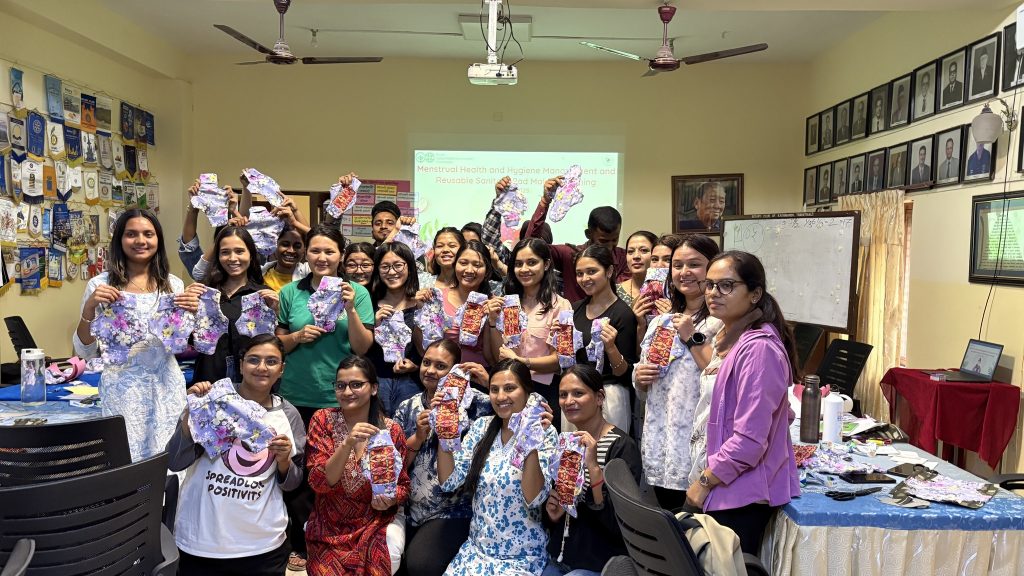
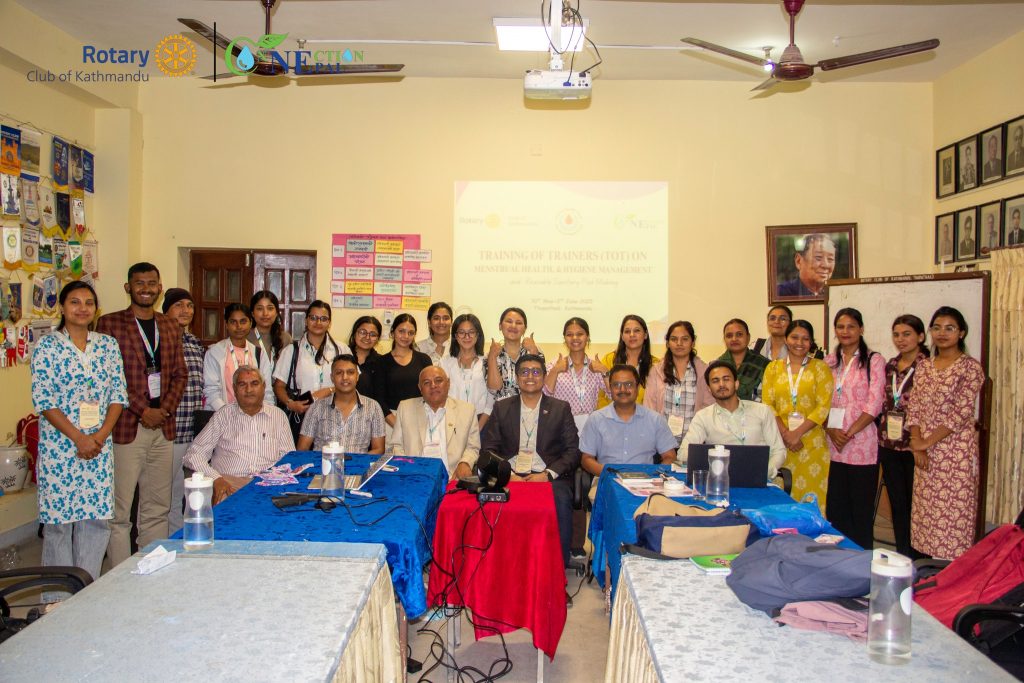
The Rotary Club of Kathmandu, in collaboration with the Rotary Club of Sonoma Valley (RID 5130), has initiated a vital WASH Project in schools and communities across Baitadi, Far-Western Province, Nepal, under Global Grant No. 2124846. This project exemplifies how targeted interventions can bring about meaningful change. A notable achievement includes providing 830 adolescent girls with access to menstrual products, enabling them to manage menstruation with dignity. Furthermore, the project has enhanced water availability at schools by adding a 6000-liter water storage capacity and restored drinking water supply to schools, and construction of three child, gender, and disability friendly toilet blocks. Visual evidence from the project showcases newly installed handwashing stations, complete with multiple taps and instructional posters, demonstrating a commitment to improving hygiene practices on the ground. These efforts directly align with the broader goal of providing sufficient and safe drinking water in communities, schools, health care facilities, workplaces, and public places. In addition, through different projects, Rotary Club of Kathmandu is supporting schools with gender friendly toilets and providing training on Menstrual health and hygiene, along with reusable sanitary pad making to adolescent girls/boys, teachers, and community people.
The Landscape of Water and Sanitation in Nepal: Progress and Persistent Challenges
Nepal has demonstrated remarkable progress in expanding water and sanitation access over the past decades, overcoming significant hurdles like poverty, difficult terrain, and internal conflicts. As of recent data, 95% of households have access to improved water sources, a substantial increase from 46% in 1990, and 62% use improved sanitation facilities, up from 6% in 1990. Globally, nearly half the world’s population lacked safely managed sanitation services in 2020, and deficiencies led to 432,000 diarrhoeal disease deaths in 2016. In Nepal, despite progress, a significant challenge remains: 10.8 million people still lack access to improved sanitation, and 3.5 million do not have access to basic water services.
WASH in Schools (WinS) Status: Within the educational sector, the situation, while improving, still presents significant gaps. In 2011, approximately 80% of Nepal’s schools reportedly had at least one toilet, with 65% having separate facilities for girls and 30% for teachers. However, current figures reveal a national average of 166 girls per toilet, considerably exceeding the minimum requirement of one toilet for every 50 students. Half of the schools have permanent hand-washing stations, yet only 28% meet child-friendly national standards, and these facilities frequently suffer from leaks and disrepair. Poor cleanliness or damaged infrastructure often leads to toilets being abandoned by children.
Investing in WASH in Nepal, particularly in schools, offers profound and multifaceted benefits, extending beyond immediate health outcomes to long-term societal development: Safe WASH is a prerequisite for health, directly reducing water- and sanitation-related diseases, which are leading causes of death for children under five. Improved hygiene, especially handwashing with soap, can reduce the incidence of diarrhoeal diseases by up to 45%. Safe WASH facilities contribute to higher school attendance and student dignity. The lack of proper menstrual hygiene management facilities, for instance, directly leads to girls missing school. When students have access to good WASH, they are healthier and perform better academically. Schools serve as crucial learning and motivational centers for sustained sanitation and hygiene behaviors.
In conclusion, investing in WASH in Nepal, particularly in the WinS sector, is not merely a humanitarian act but a strategic intervention that promises long-term returns in public health, education, and social development. By leveraging existing policy frameworks, building local capacities, and implementing targeted, sustainable solutions, partners can significantly contribute to a healthier, more dignified, and educated future for Nepal’s children and communities.