

The Rotary Club of Kathmandu, alongside its dedicated partners RAC Kathmandu, RAC Sindhuligadi, and IC Kathmandu, has launched a crucial Mental Health Awareness Program. This initiative is more than just about raising awareness; it’s a comprehensive effort designed to educate, support, and empower individuals and communities across Nepal by fostering a deeper understanding of mental health issues. With the invaluable support of Rtn. Dr. Pradeep Pandey and Rtn. Pujan Sharma, this program aims to cultivate a culture of openness, reduce the pervasive stigma often associated with mental illness, and ensure that accessible resources and tools are available to those in need.
Reaching Thousands and Making a Tangible Difference
In the Rotary Year 2024-25, this program has already made a significant impact, successfully reaching an impressive direct beneficiaries 4,000 and indirect 100,000 individuals through various initiatives. This demonstrates the program’s wide reach and the community’s engagement with these vital conversations.
Diverse Initiatives for Broad Impact
The program’s success stems from its multifaceted approach, targeting different segments of the community through various activities:
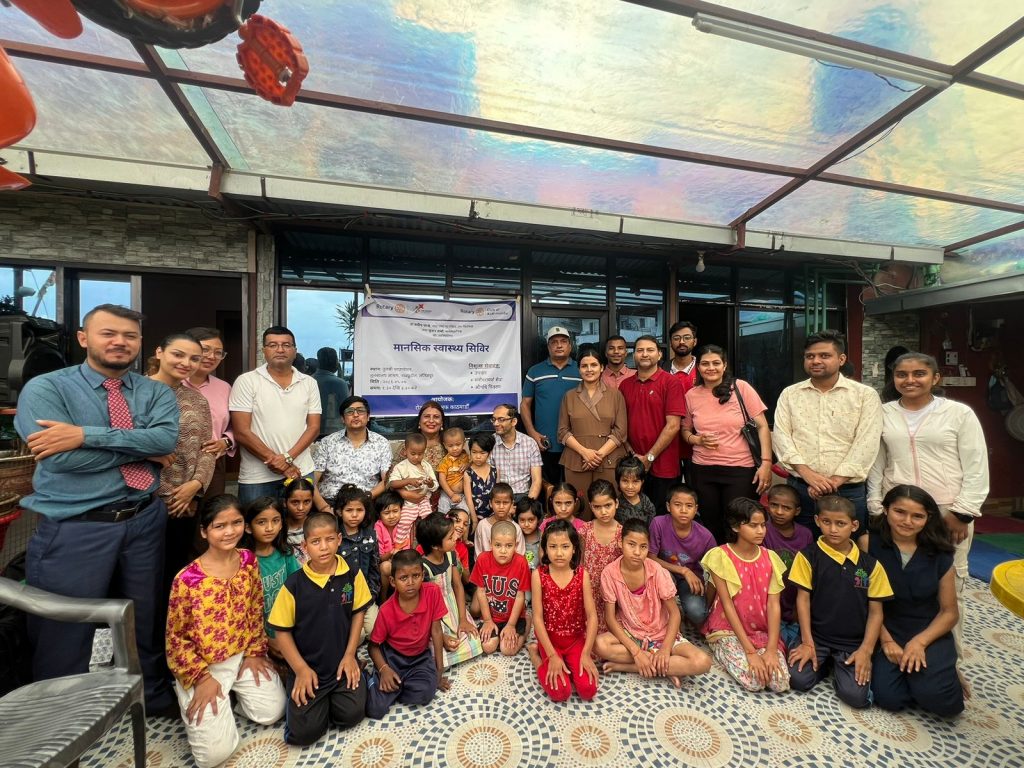
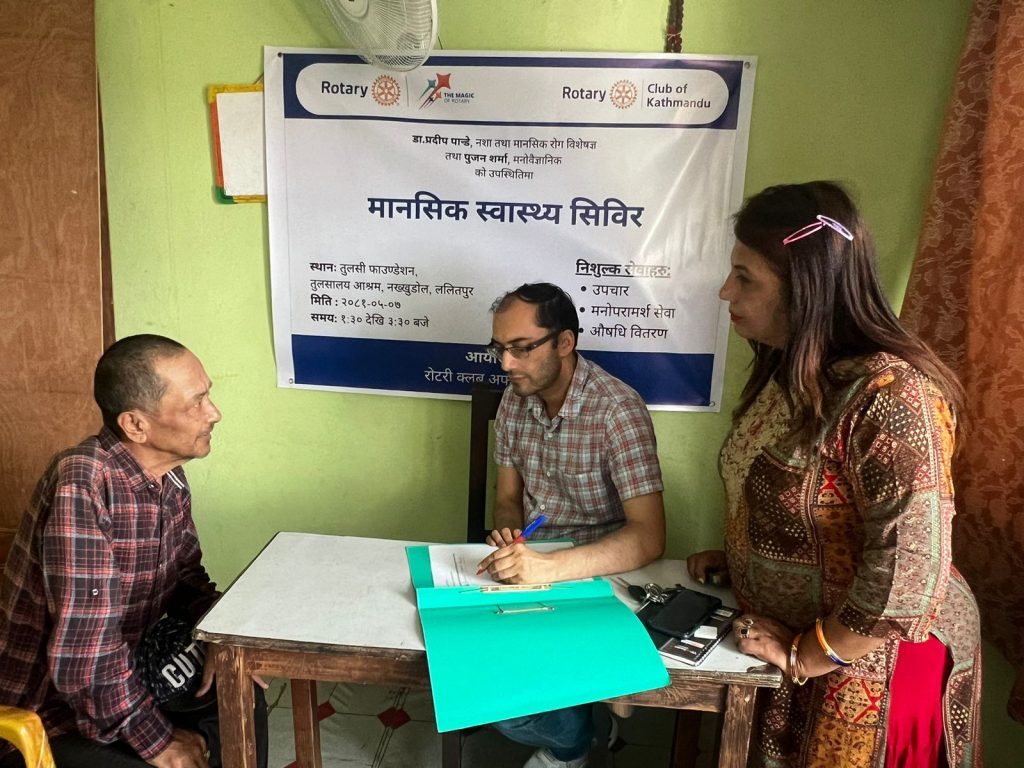
- Mental Health Camp at Tulasi Foundation: A dedicated mental health camp was organized at the Tulasi Foundation in Nakhhudol, Lalitpur. These camps are crucial for providing direct support, offering basic mental health screenings, and connecting individuals with professional help. They create a safe space for people to address their concerns and learn coping mechanisms.
- Community Outreach and Education: Beyond formal settings, the program actively engaged with the community by organizing mental health awareness sessions in diverse locations. This included community schools, where early education can help normalize conversations about mental health from a young age; various institutions, reaching adults in different professional or social capacities; and old-age recreational centers, acknowledging the unique mental health challenges faced by the elderly. These sessions involve presentations, interactive discussions, and distribution of informative materials.
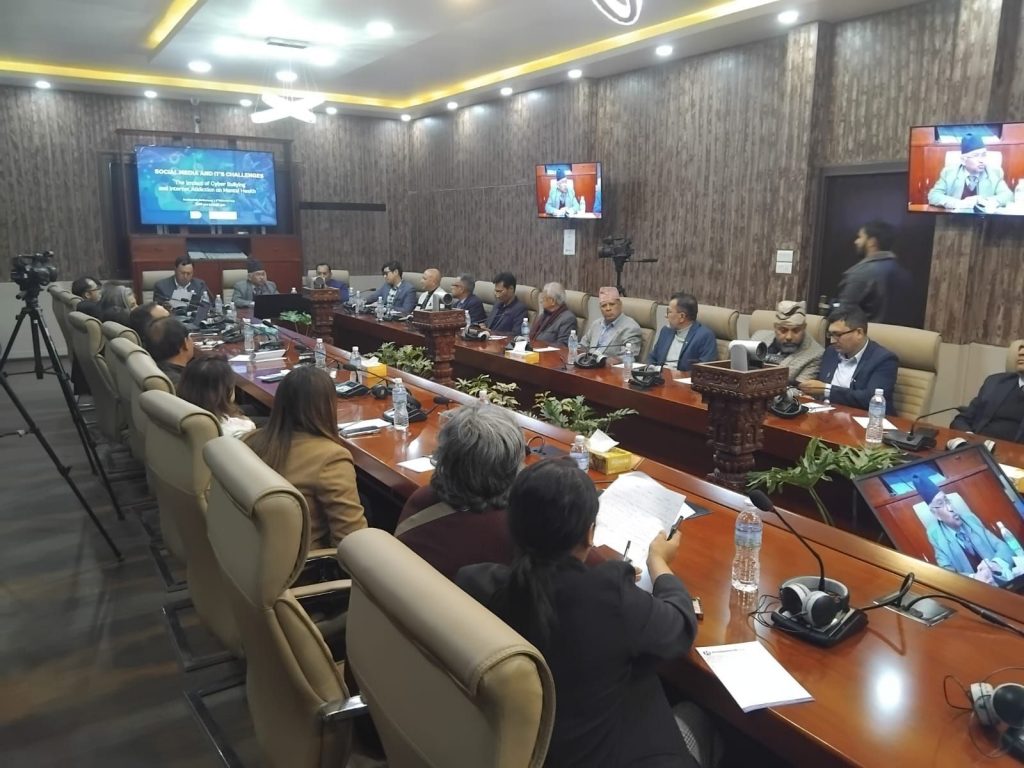
- Insightful Panel Discussion on Digital Well-being: In a timely collaboration with ISSR, the Rotary Club of Kathmandu hosted a significant panel discussion titled ‘Social Media and Its Challenge: The Impact of Cyber and Internet Addiction on Mental Health’. This event highlights the program’s commitment to addressing contemporary mental health challenges. With the increasing reliance on digital platforms, topics like cyber addiction and its effects on mental well-being are incredibly relevant, especially for younger generations. Panel discussions like these bring together experts and community members to explore complex issues and foster informed conversations.
- TOT on Mental Health Awareness: TOT on Mental Health Awareness was also organized during the year.
Core Objectives Driving the Program
Every activity within this initiative is strategically aligned with the following core objectives:
- Increase Awareness and Understanding: This is the foundational goal, aiming to demystify mental health, explain common conditions, and provide accurate information to dispel myths and misconceptions.
- Promote Early Detection and Intervention: Just like physical health, early identification and intervention are critical in mental health. The program encourages people to recognize early signs of mental health issues in themselves and others, promoting timely access to support before conditions escalate.
- Reduce Stigma and Discrimination: A major barrier to seeking help for mental health is the associated stigma. The program actively works to challenge negative stereotypes and encourage open dialogue, fostering an environment where mental health challenges are viewed with the same understanding and compassion as physical illnesses.
- Provide Access to Resources and Support: Beyond awareness, the program strives to create pathways for individuals to access practical resources, including counseling services, support groups, helplines, and educational materials.
- Support Mental Health in Specific Populations: Recognizing that different groups may face unique challenges or require tailored approaches, the program focuses on providing specific support to vulnerable populations, whether they are students, seniors, or other community segments.
- Promote Mental Health and Well-being: Ultimately, the program’s vision extends beyond treating illness to actively promoting overall mental wellness. This includes encouraging healthy lifestyle choices, stress management techniques, and building resilience within communities.