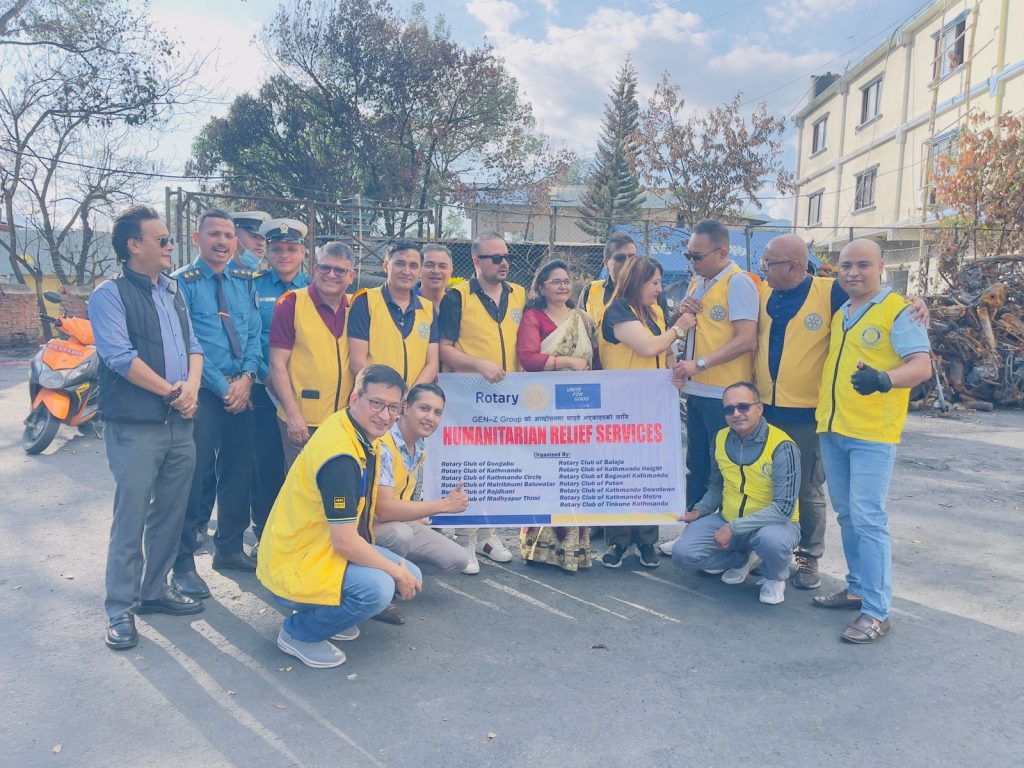
The Rotary Club of Kathmandu launched a Humanitarian Relief Program in response to the Gen Z movement protests in Nepal. The protests, while voicing frustrations against corruption and social injustice, resulted in 72 deaths and widespread damage to public property, including police stations and vital infrastructure. Rotary’s initiative has been crucial in providing immediate relief, rehabilitating institutions, and supporting victims and frontline workers.
The Gen Z Movement in Nepal
The Gen Z movement was a youth-led uprising against corruption, unemployment, and systemic failures. Fueled by social media, thousands of young Nepalis organized protests demanding accountability. While initially peaceful, these escalated into violent clashes, leading to 72 deaths, thousands injured, and extensive damage to public infrastructure. The movement left communities traumatized but also awakened a call for systemic reform.
On 9 September 2025, protesters angered by government repression and corruption stormed the Nepalese Federal Parliament Building in Kathmandu. The protest escalated when the police killed 19 protesters, including a 12-year-old child, on 8 September 2025. The Government of Nepal reversed the decision of banning 26 social media platforms after the widespread demonstration. Nepalese Prime Minister KP Sharma Oli resigned from his post as the protest turned violent. On 12 September 2025, Former chief justice Sushila Karki was sworn in as Nepal’s interim prime minister, becoming the first woman to lead the country.
In response, Rotary Club of Kathmandu in coordination with President’s Rotary Action Group mobilized resources in support of Rotary District 3292 and individual Rotarians to rehabilitate institutions and support victims.
The program objectives were:
(1) Restore damaged police stations,
(2) Provide essential supplies to victims and security forces,
(3) Rebuild trust between communities and institutions, and
(4) Uphold humanitarian values during a national crisis.




Activities Undertaken:
- Relief Program:
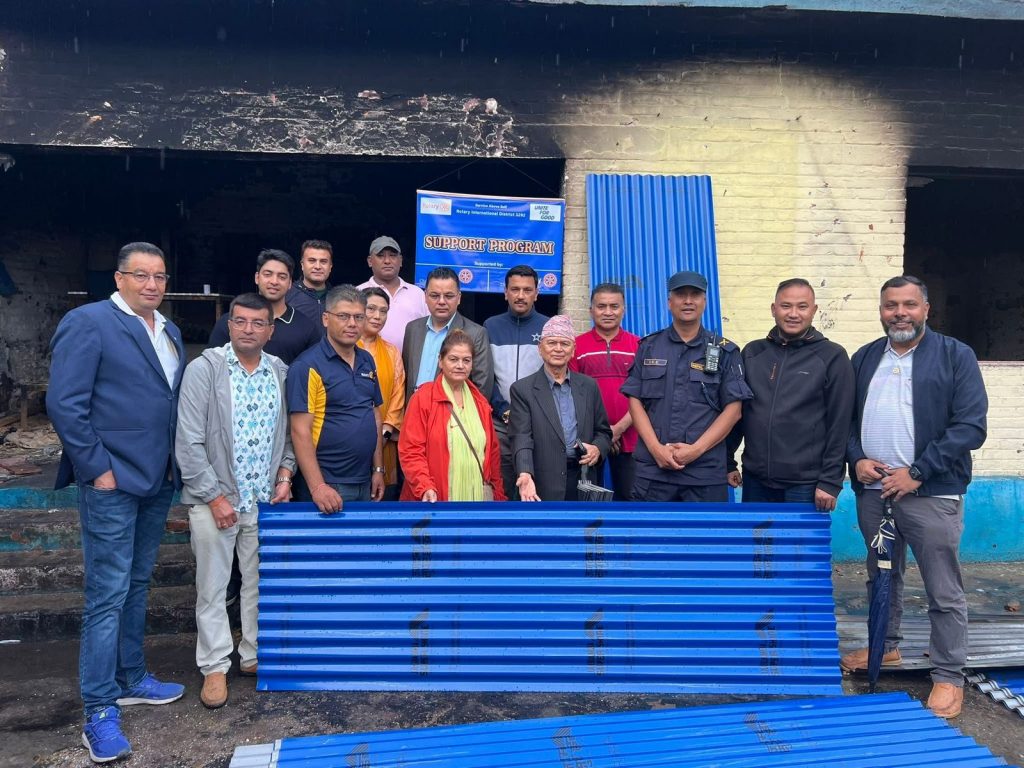
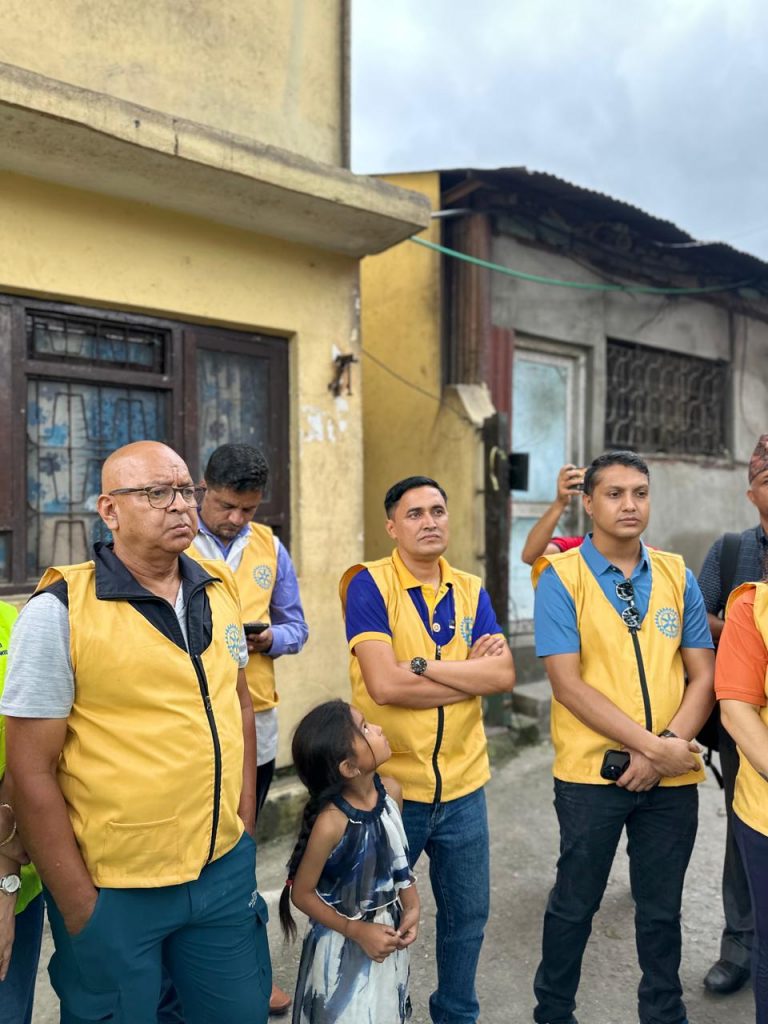
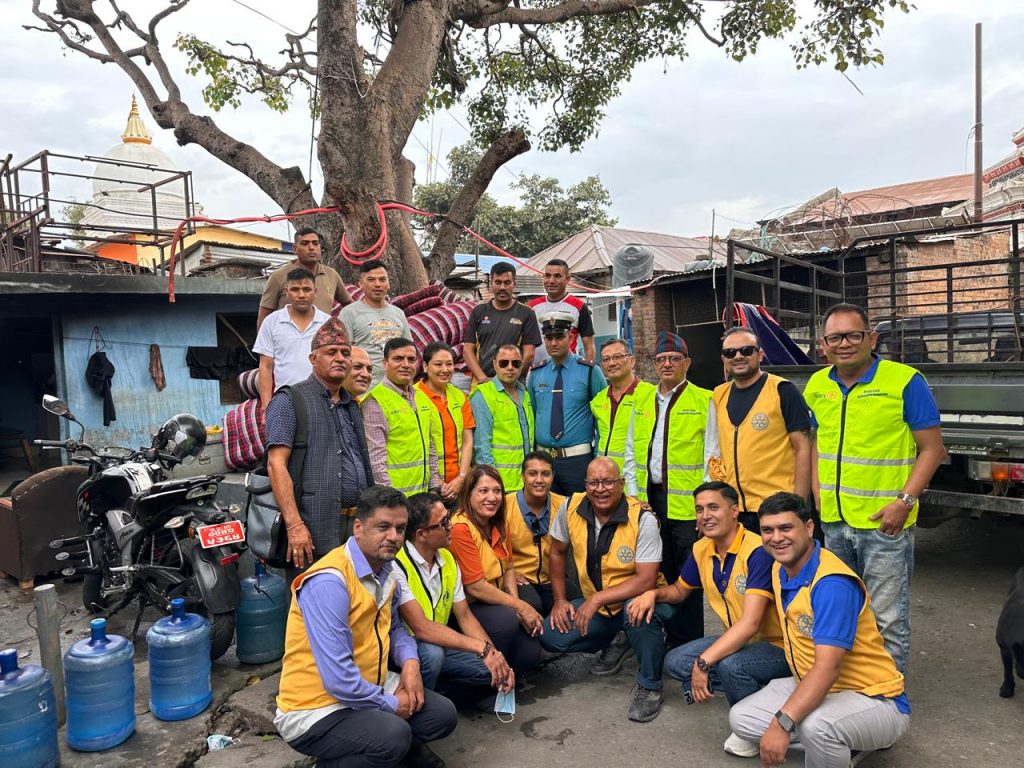
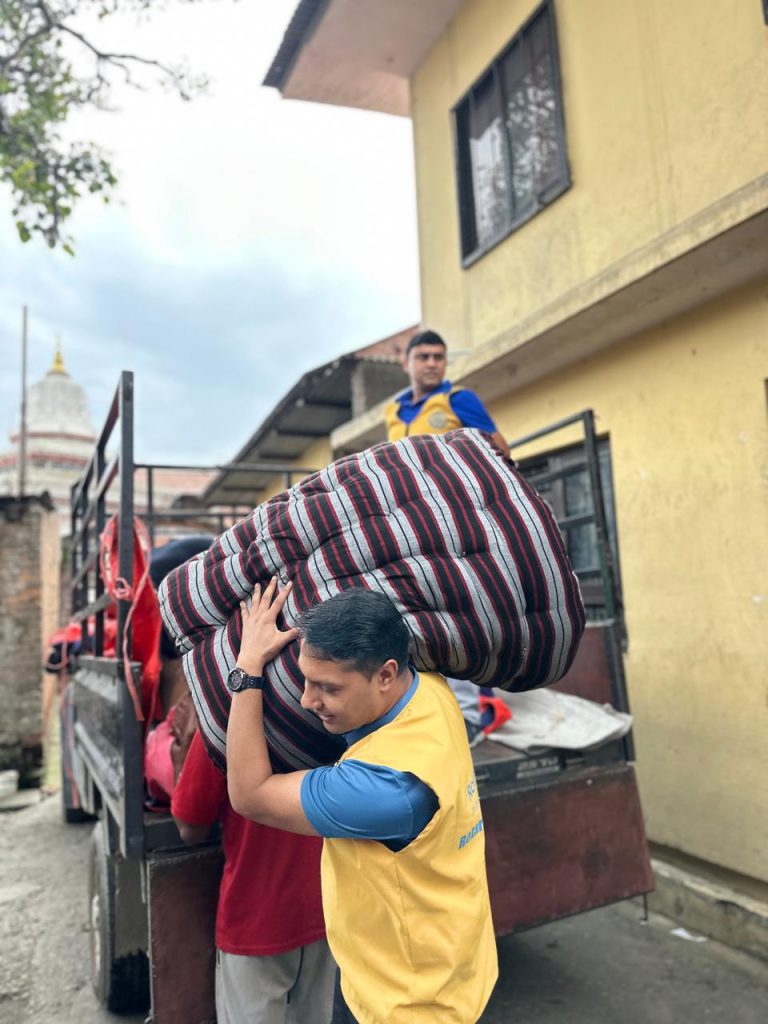
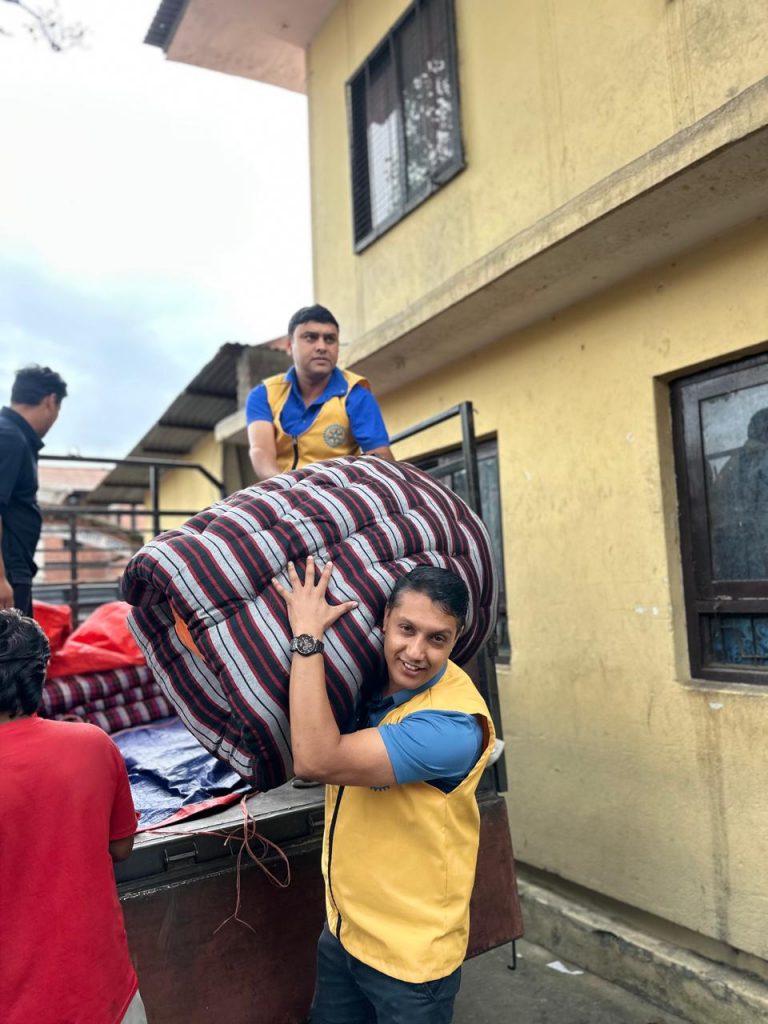
The program focused on the immediate response to those affected by the crisis. Essential supplies such as food, clean drinking water, clothing, and daily-use materials were distributed to victims and their families to ensure survival and stability in the aftermath. Special attention was given to frontline responders-including health personnel, the Nepal Army, and the Nepal Police-by providing them with necessary provisions and logistical support so they could continue rescue, relief, and medical operations effectively. The initiative aimed not only to address urgent humanitarian needs but also to strengthen the capacity of key responders working tirelessly in challenging conditions.
2. Blood Donation Camp:
In response to the urgent situation, a blood donation camp was organized on 8 September 2025 through the collective effort of 13 Rotary Club Presidents. The camp successfully collected 79 pints of blood, providing critical support to hospitals and saving the lives of patients in need.
3. Renovation of Basundhara Police Station:
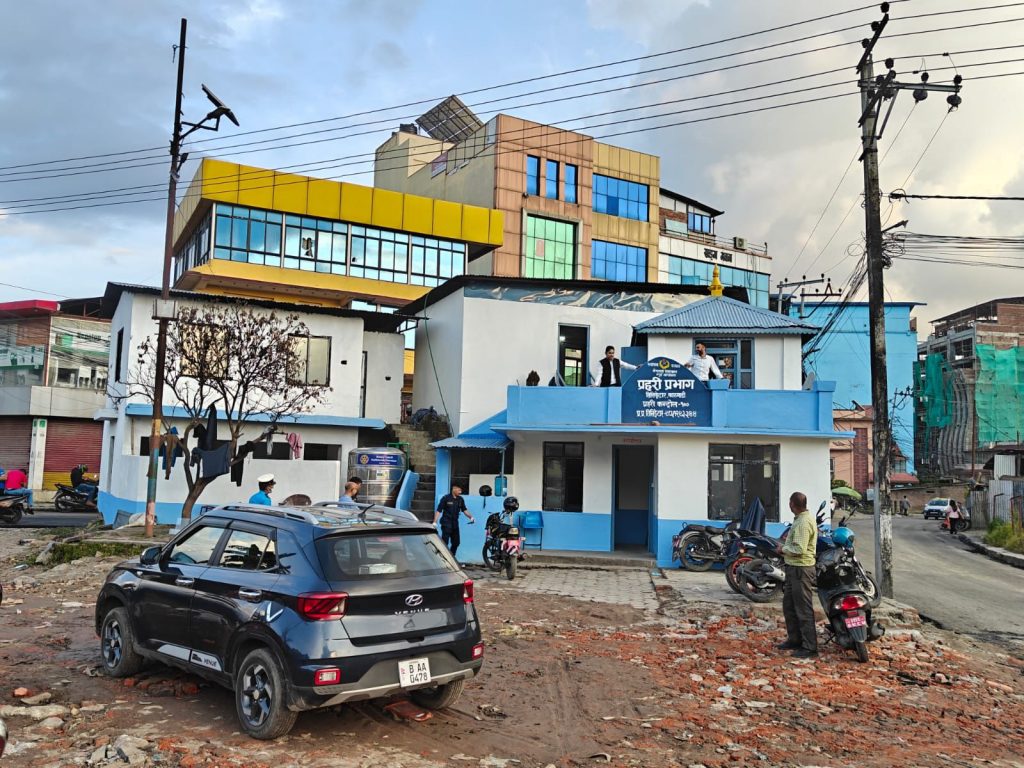
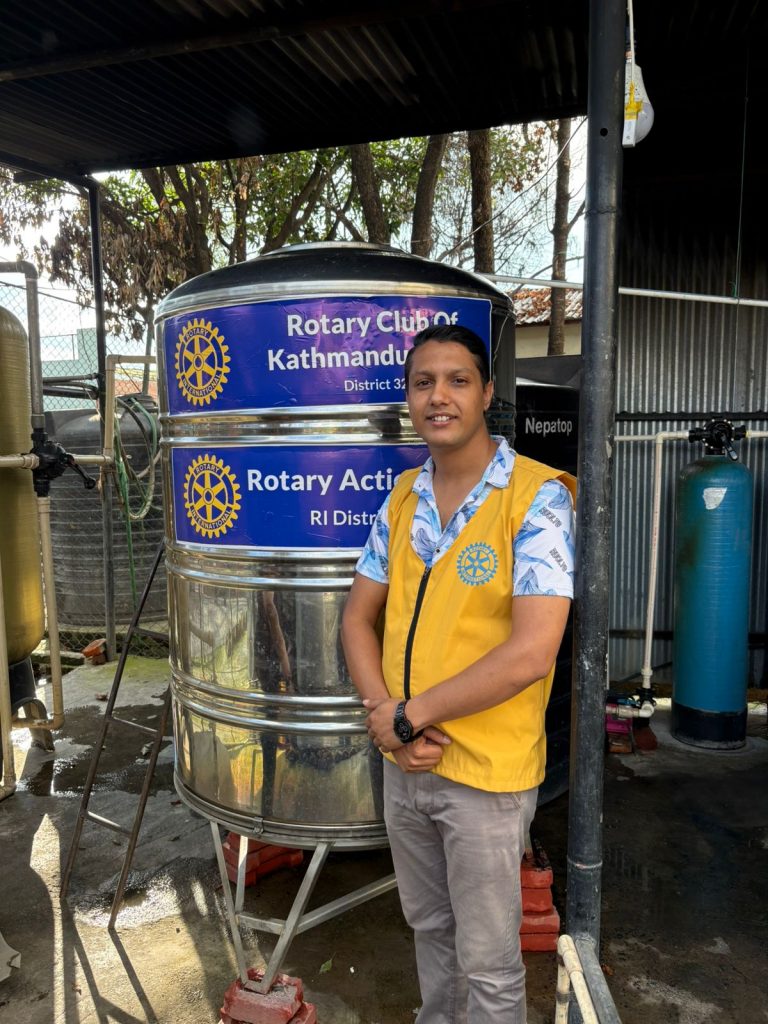
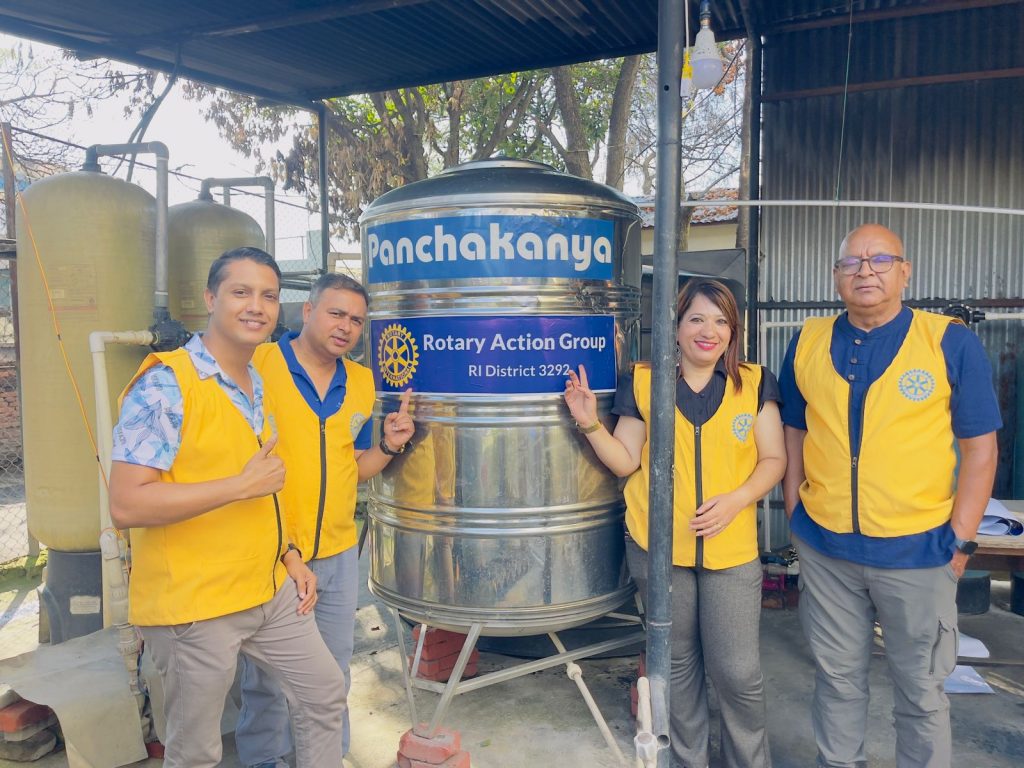
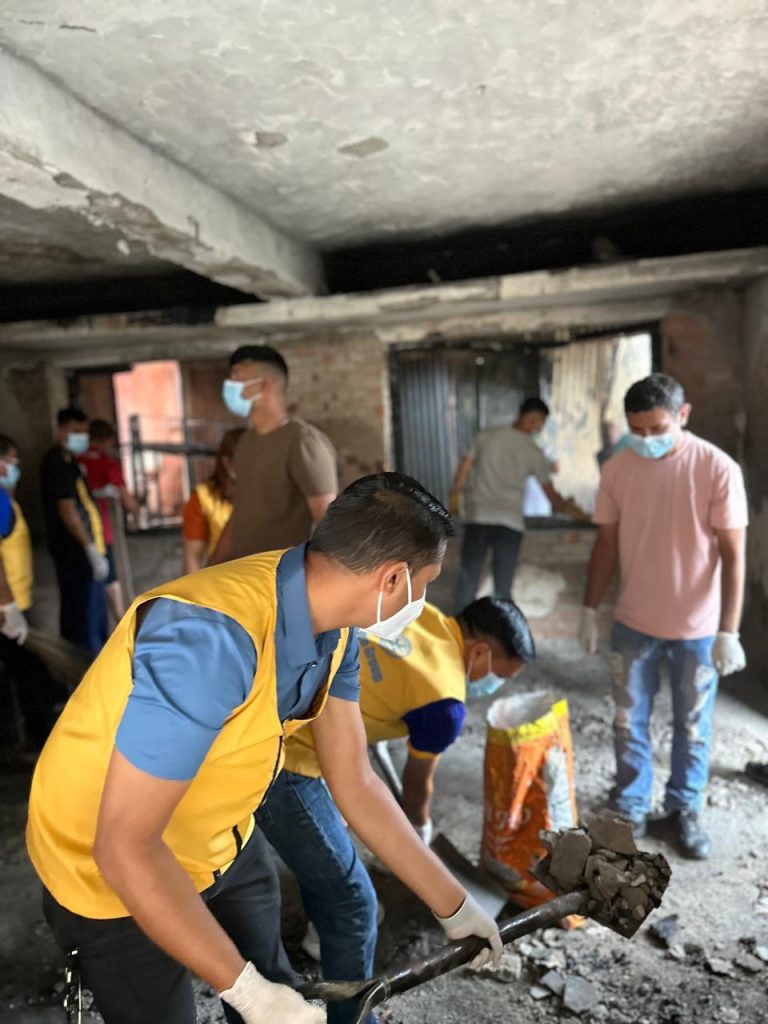
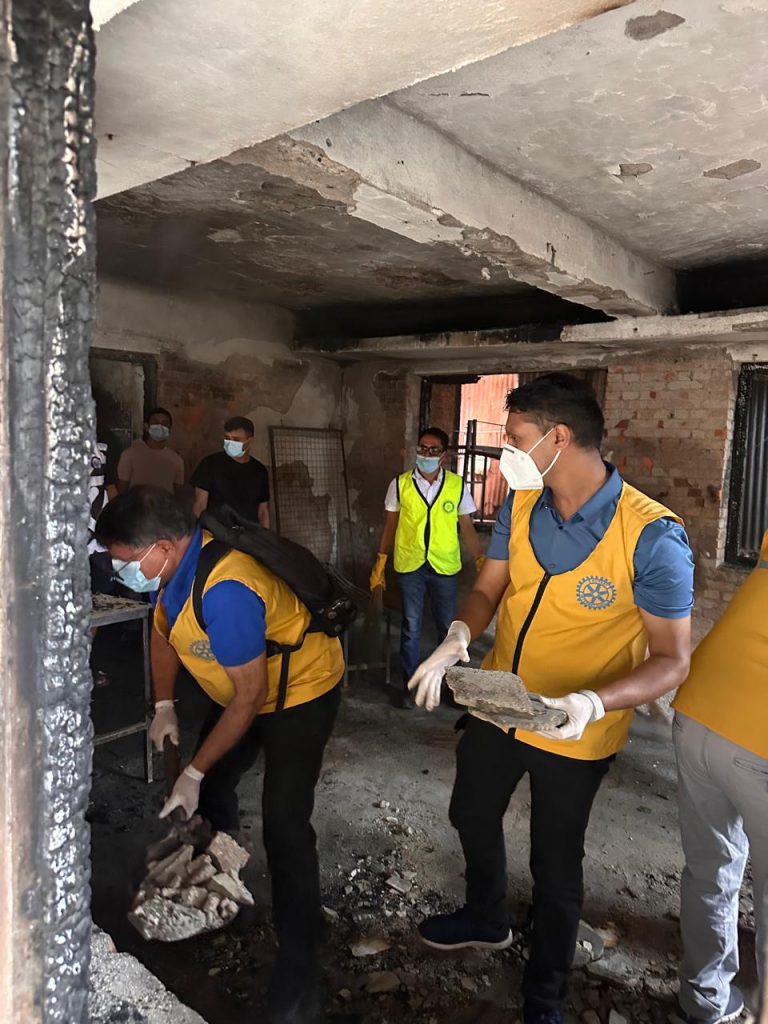
The program undertook the renovation of the Basundhara Police Station to create a cleaner, safer, and more functional working environment for law enforcement personnel. The initiative included a thorough cleaning of the premises, painting of the building to improve its appearance and morale, and the installation of a 5,000-liter water tank to ensure a reliable supply of clean water for daily use. This renovation directly benefited 21 police staff members, enhancing both their workplace facilities and overall well-being, while also strengthening the relationship between the community and local police services.
4. Support to Dharmasthali Police Station:
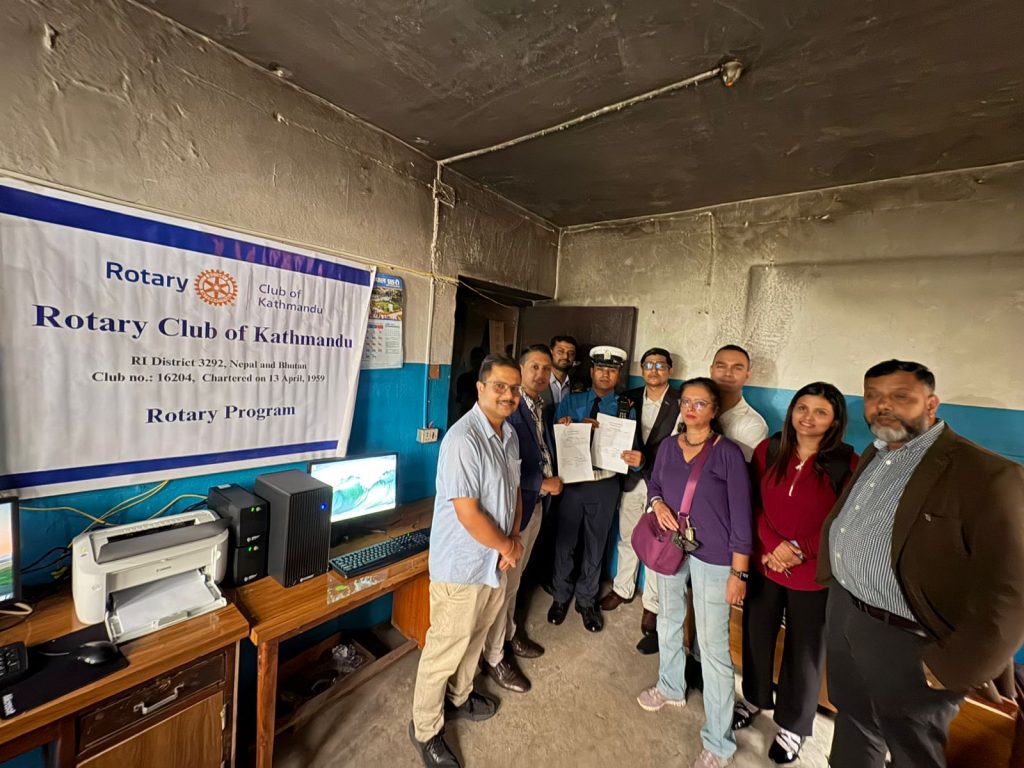
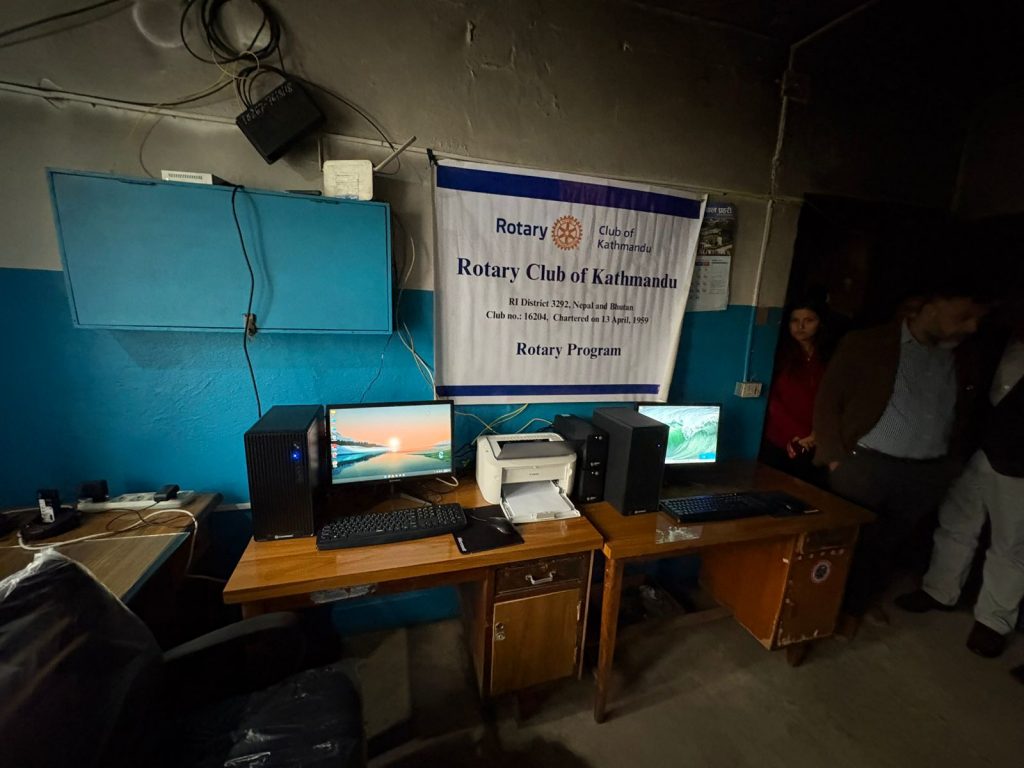
The program provided essential technological and infrastructural support to the Dharmasthali Police Station. This included the handover of two computers and one printer to strengthen administrative efficiency, along with assistance for the renovation of the station to create a more functional and supportive work environment for the police staff. The club also constructed new toilet block and renovation of the station.
5. Thapathali Traffic Police Station:
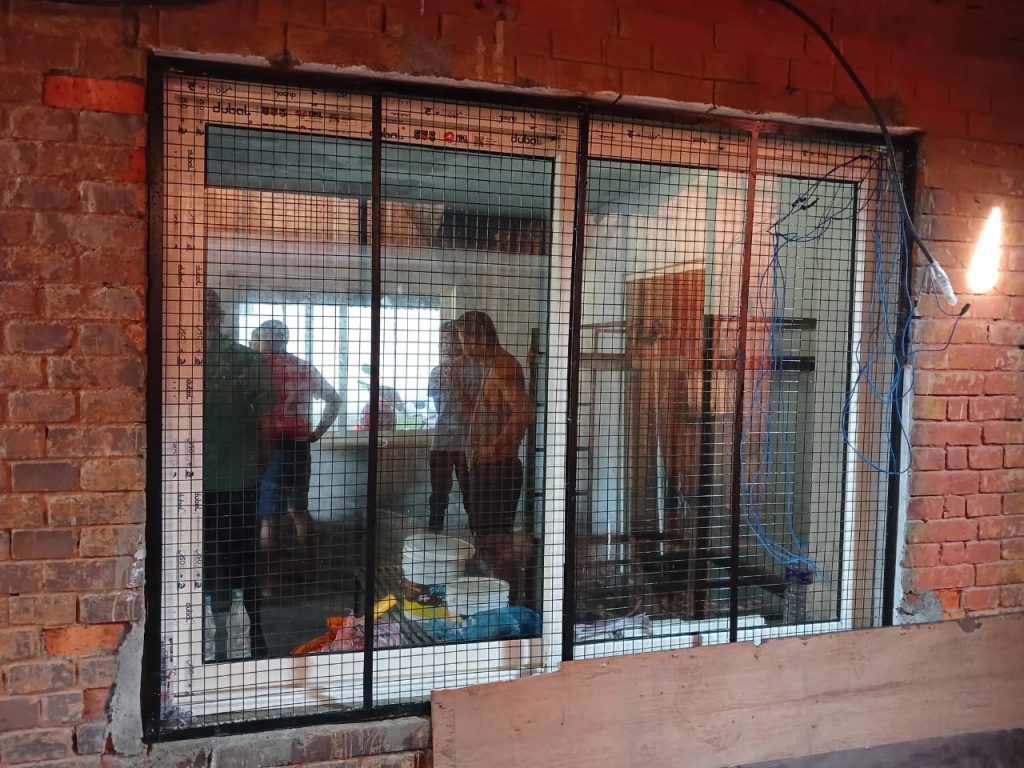
The initiative supported the Thapathali Traffic Police Station by improving both its working and resting facilities. The office premises were thoroughly cleaned, and 15 complete sets of blankets, mattresses, pillows, and bedsheets were provided to enhance the comfort and living conditions of officers on duty. In addition, two computer sets, one printer, and four chairs were supplied to strengthen administrative efficiency. Renovation work was also carried out, including the installation of new steel doors and windows to ensure the safety and security of the officers.
6. Badegaun Police Station:
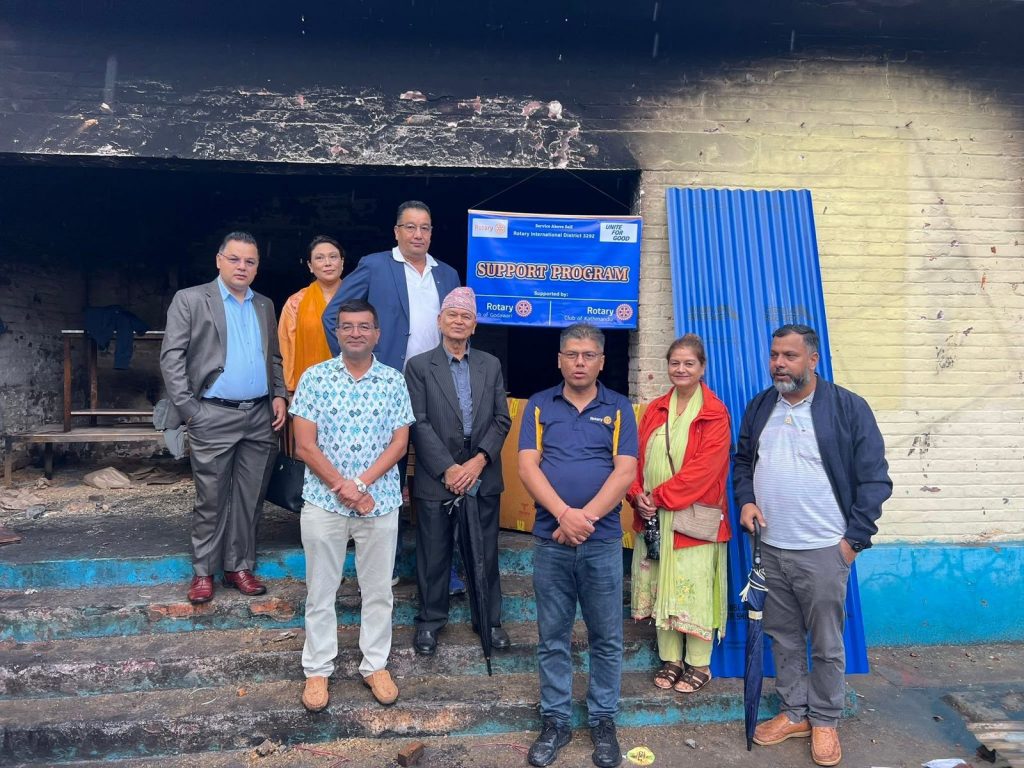
Rotary Club of Kathmandu and Rotary Club of Godawari jointly supported the Badegaun Police Station (Ward No. 14, Godawari Municipality) with 4 bundles of galvanized tin sheets, plastic tables and chairs, and 100 liters of wall paint.
7. Bhaisipati Police Station:
Rotary Club of Kathmandu in coordination with RC Patan, RC Sainbubhaisipati supported the Bhaisipati Police Station with essential furniture for the police station.
8. Renovation of Water Treatment System at Valley Traffic Police Station, Baggikhana:
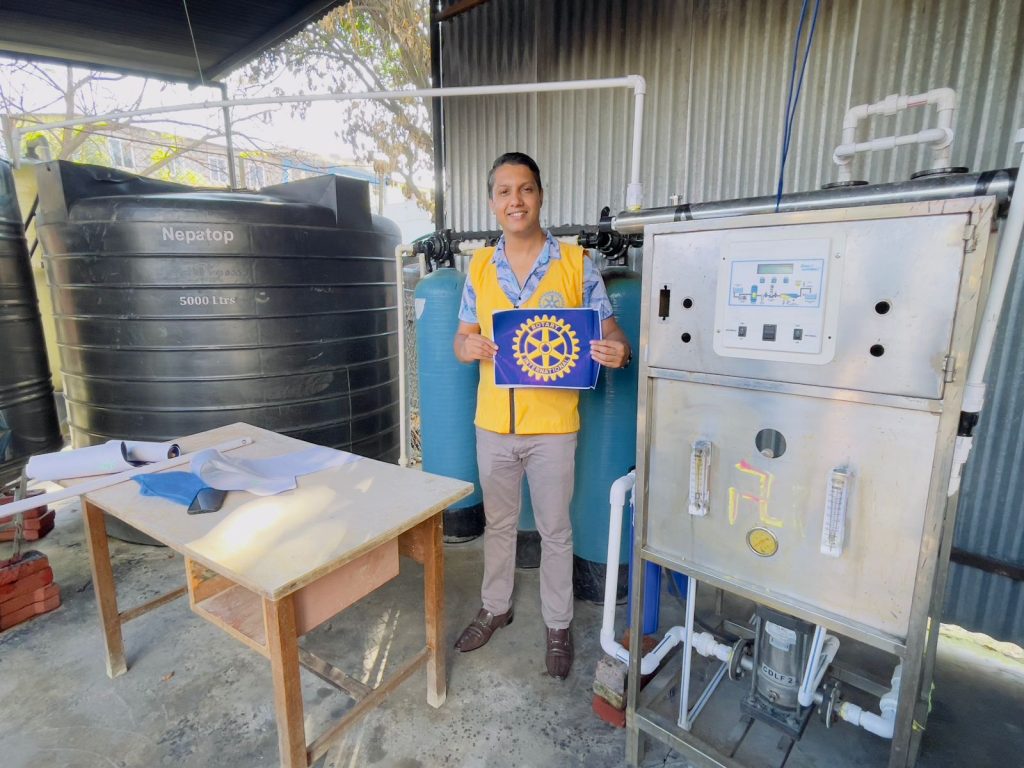
Rotary Club of Kathmandu in coordination with RC Kathmandu Metro and Rotary President’s Action Group, renovated Water Treatment System at Valley Traffic Police Station, Baggikhana to benefit 400 plus officials.
The Rotary Club of Kathmandu contributed NRs. 561,195 towards the project.