In a landmark move for environmental sustainability, five Rotary Clubs from RI District 3292-Rotary Club of Kathmandu, Rotary Club of Patan, Rotary Club of Bagmati, Rotary Club of Balaju, and Rotary Club of Yala-pioneered the Miyawaki technique for the first time during Rotary Plantation Day 2025. Together, they planted 655 native tree saplings, along with 500 vetiver and 500 kush grasses, at Sano Hattiban in Lalitpur on 26 July, 2025. This marks the first-ever initiative by Rotary Nepal to adopt the Miyawaki method, a fast-growing global approach to urban afforestation.
Originating from Japan, the Miyawaki technique was developed by renowned botanist Dr. Akira Miyawaki. It involves planting a dense mix of native tree species in small plots, mimicking the natural regeneration process of forests. By placing trees close together, the method accelerates growth through natural competition, resulting in dense, self-sustaining forests within just 10-20 years-compared to the 100 years it can take for conventional forestation methods. The technique has gained popularity worldwide for revitalizing barren or degraded lands and creating biodiversity-rich green spaces, especially in urban and peri-urban areas.
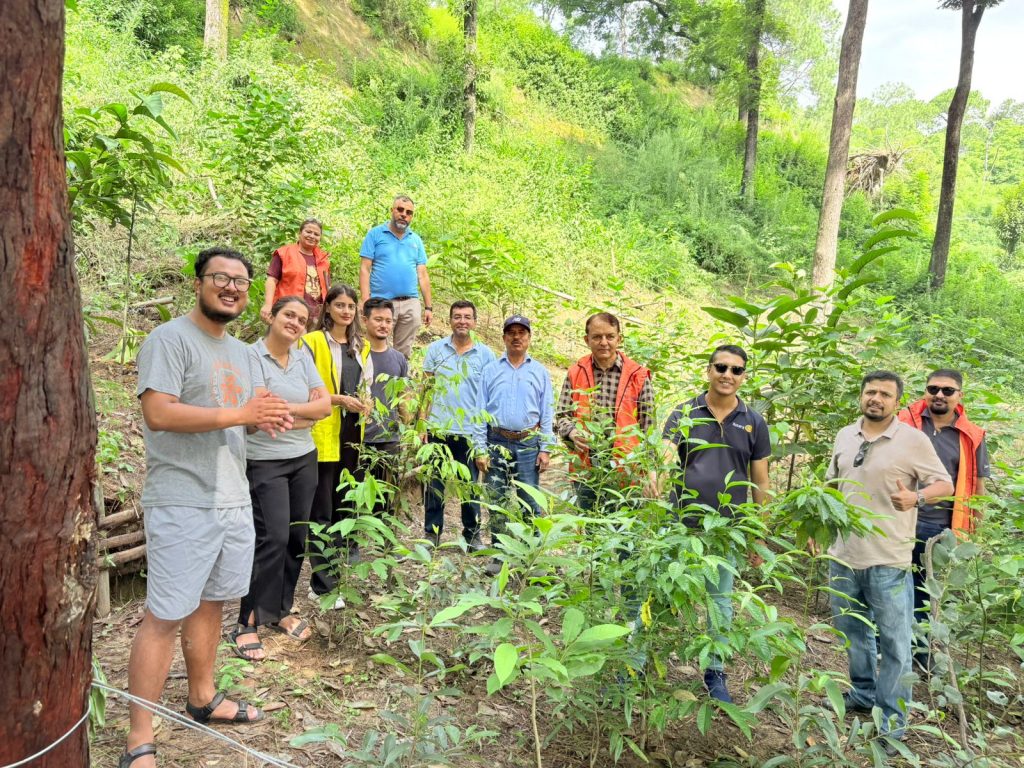
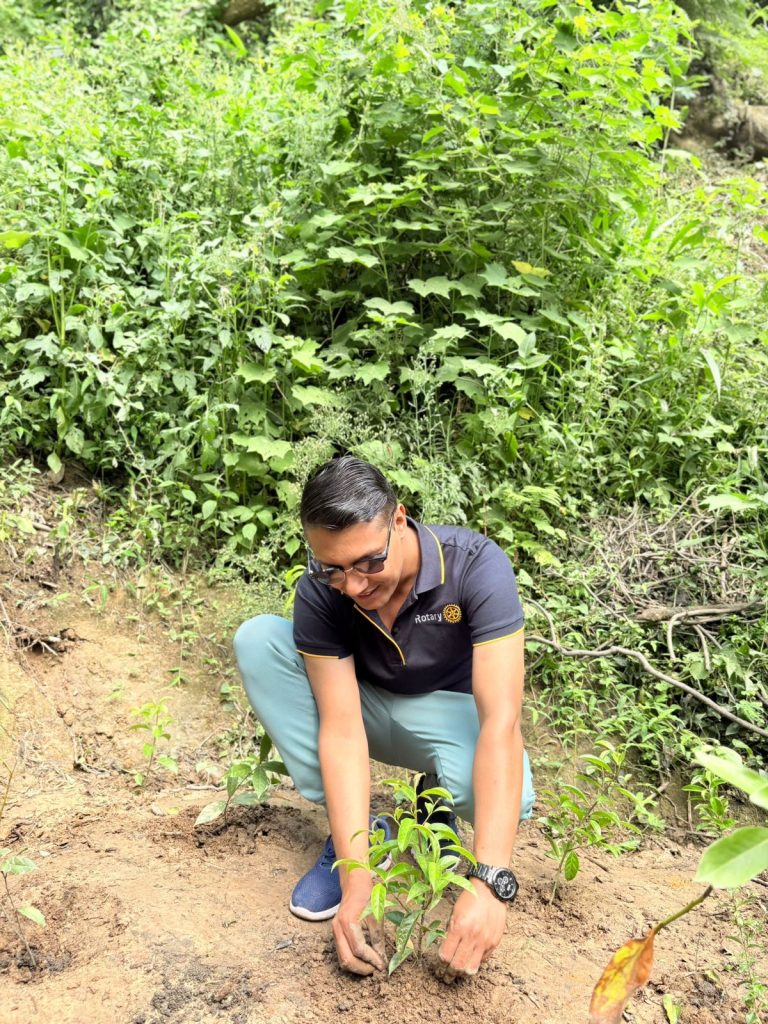
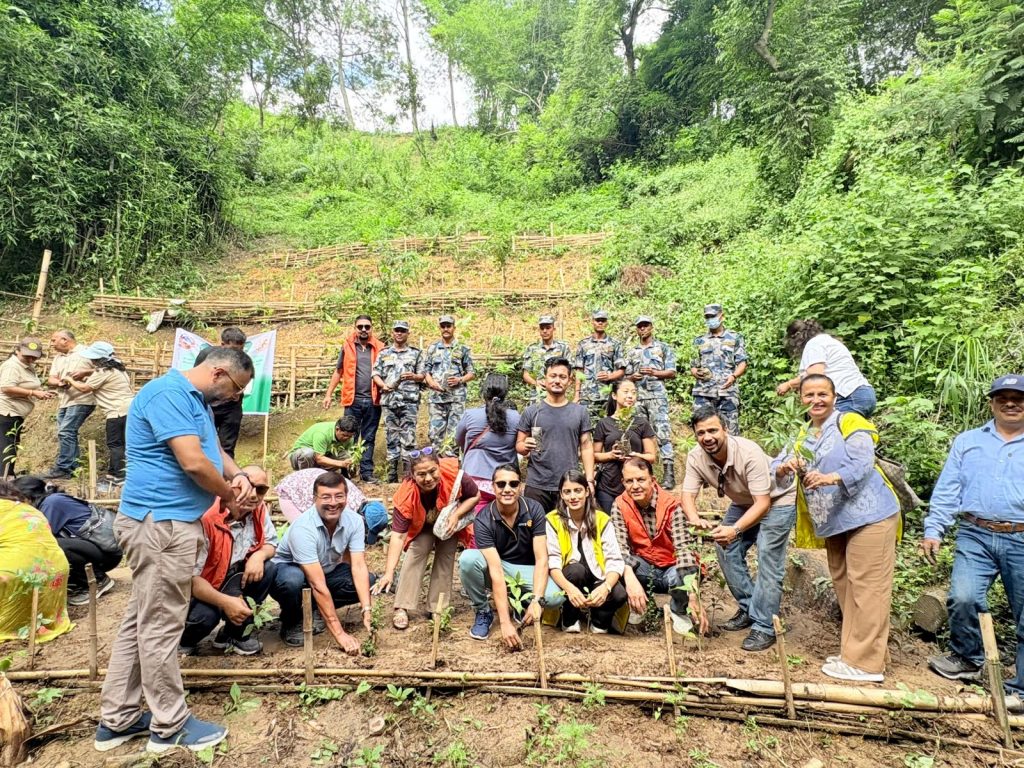
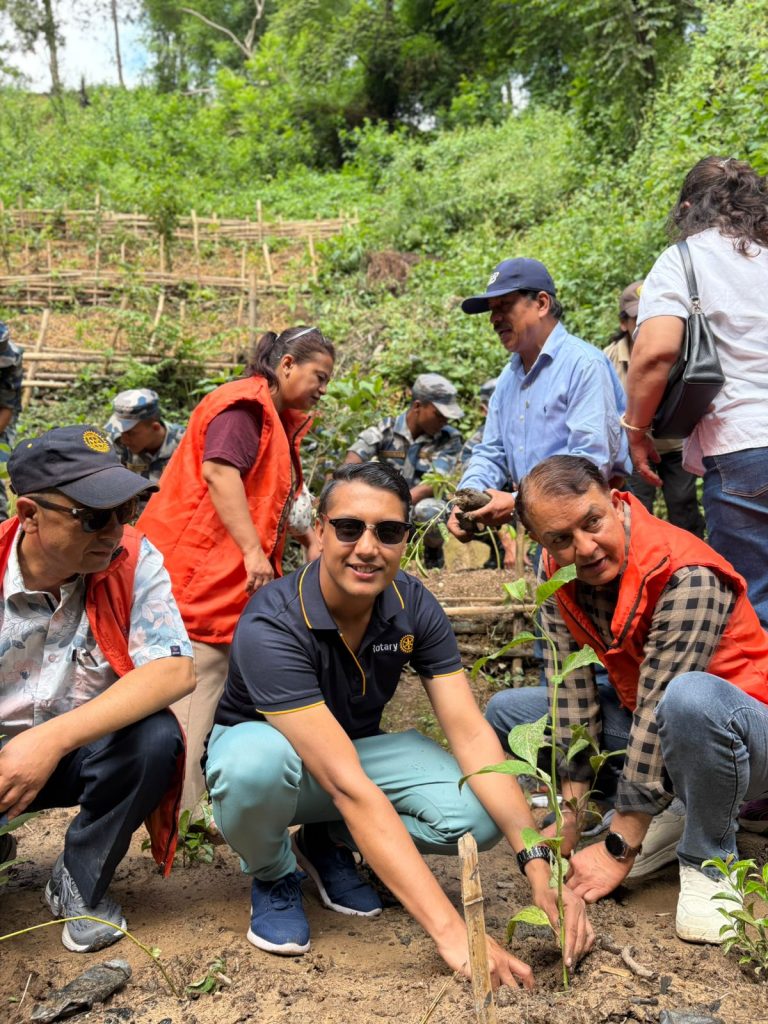
The efforts at Sano Hattiban represent more than just tree planting; they demonstrate Rotary’s commitment to sustainable environmental action and climate resilience. By integrating the Miyawaki method with indigenous ecological knowledge, the project not only helps to restore green cover but also sets a replicable model for future urban afforestation across Nepal.
The event was part of a larger district-wide initiative. Over 150 Rotary Clubs throughout the country actively participated in Rotary Plantation Day 2025, collectively planting more than 50,000 saplings in a single day. This massive mobilization underscores the growing momentum among Nepali communities and Rotary leaders to address environmental degradation through collaborative, science-based solutions.
As the forests at Sano Hattiban and beyond begin to take root, they serve as a living testament to what can be achieved when innovation, community engagement, and environmental stewardship come together.