

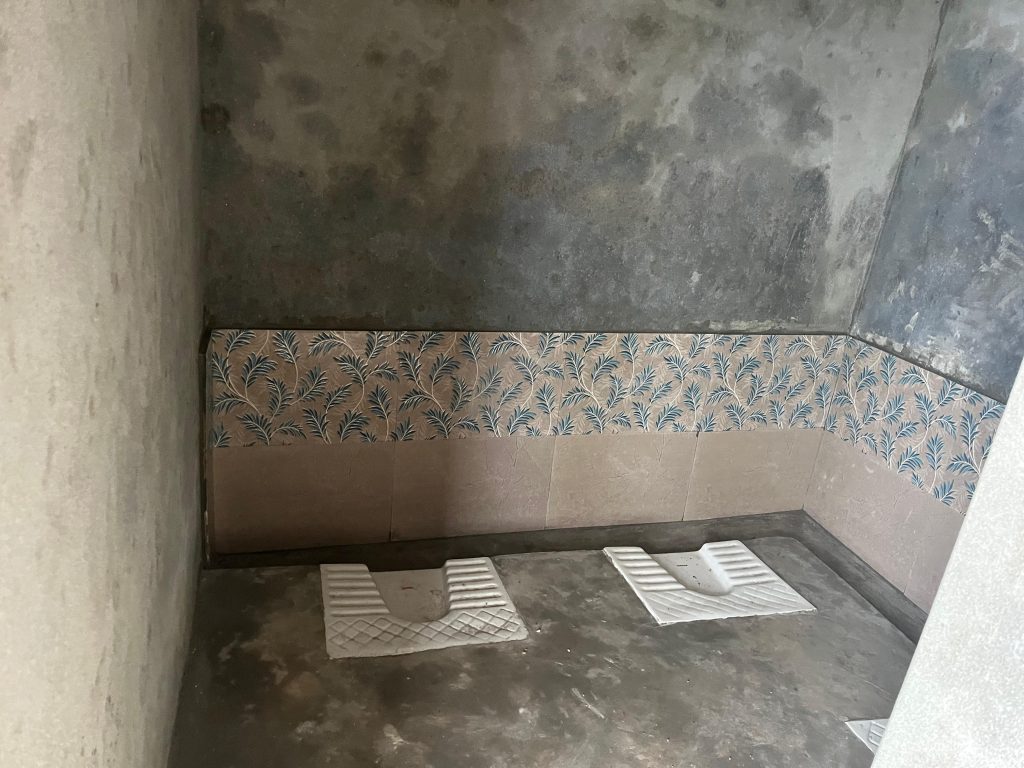
30 June, 2026; Baglung, Nepal – In a significant step towards promoting girls’ education, health, dignity, and inclusive learning environments, the Rotary Club of Kathmandu completed Girls’ Friendly Toilet Construction Project at Shree Dhawalagiri Birendra Secondary School, Baglung Municipality–3, Baglung.
The project addresses the critical need for safe, hygienic, private, and gender-sensitive sanitation facilities in schools, particularly for adolescent girls. The lack of adequate Water, Sanitation, and Hygiene (WASH) facilities and proper Menstrual Hygiene Management (MHM) infrastructure remains a major barrier to girls’ regular school attendance and academic participation. Many girls face discomfort, embarrassment, and challenges during menstruation, which can result in missed school days and negatively affect their educational opportunities.
Recognizing that access to proper sanitation is not merely a matter of infrastructure but also a fundamental issue of dignity, health, and educational equity, this initiative aims to create a safe, supportive, and girl-friendly school environment where every student can learn with confidence and without fear of discrimination or preventable hygiene-related challenges.
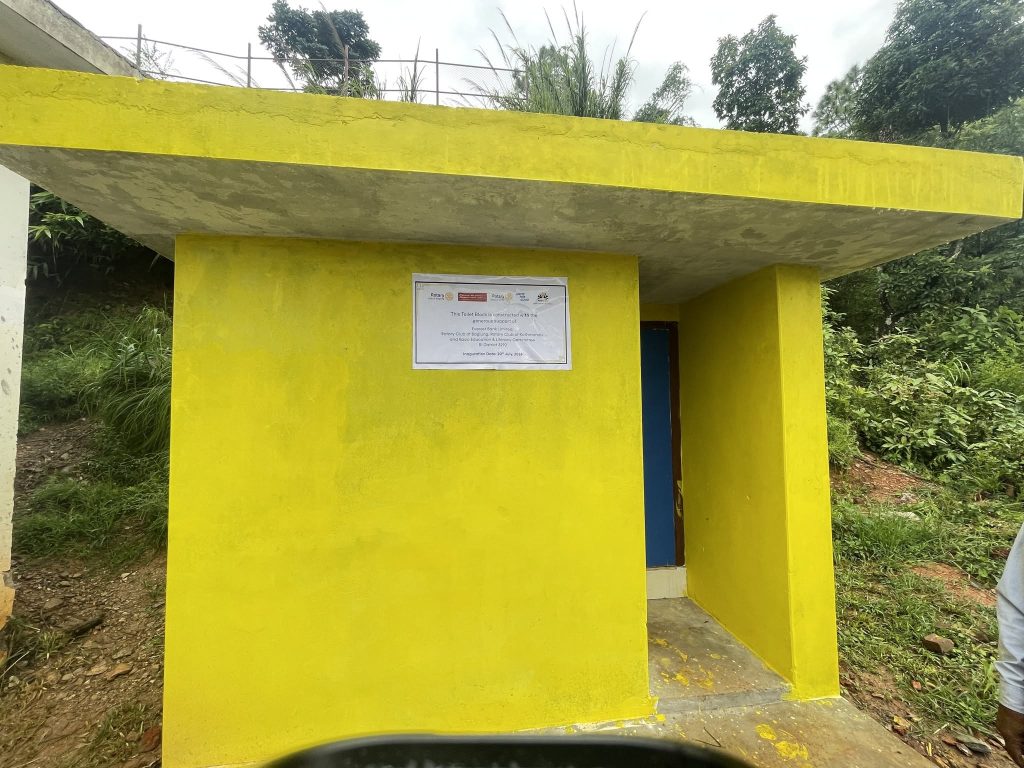
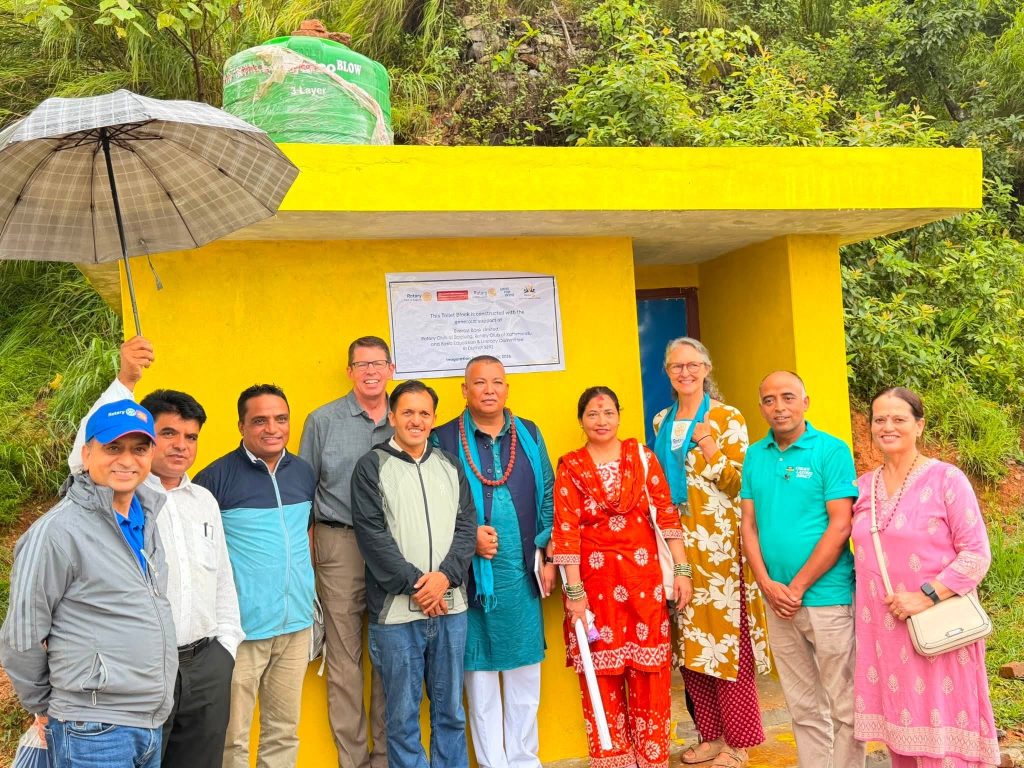
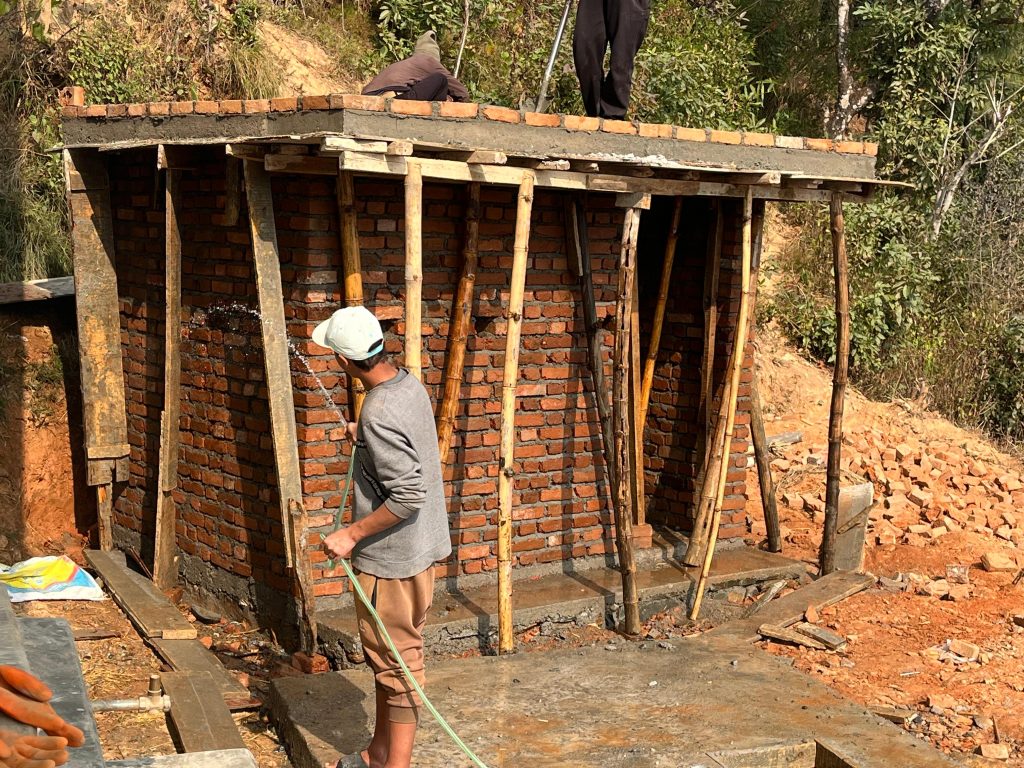
The project builds upon the leadership development and hygiene awareness training previously conducted by the Rotary Club of Baglung and Rotary Club of Kathmandu, further strengthening their commitment to improving community health, sanitation, and educational opportunities.
This meaningful initiative is supported by Rotary Club of Kathmandu, Rotary Club of Baglung, Everest Bank Ltd., the Basic Education and Literacy Committee of Rotary International District 3292, and the Rotary Club of Bordertown whose collaboration and commitment are helping turn this important vision into reality.
The Girls’ Friendly Toilet Construction Project represents more than the construction of a sanitation facility; it is an investment in girls’ empowerment, menstrual health, school attendance, and a more inclusive future. By ensuring access to appropriate sanitation facilities, the initiative seeks to reduce barriers to education and empower girls to participate fully in school life. It stands as a model of successful collaboration in the WASH sector, directly impacting the health and education of 190 adolescent girls.
Together, we are building more than toilets-we are building dignity, confidence, equality, and brighter futures for girls.